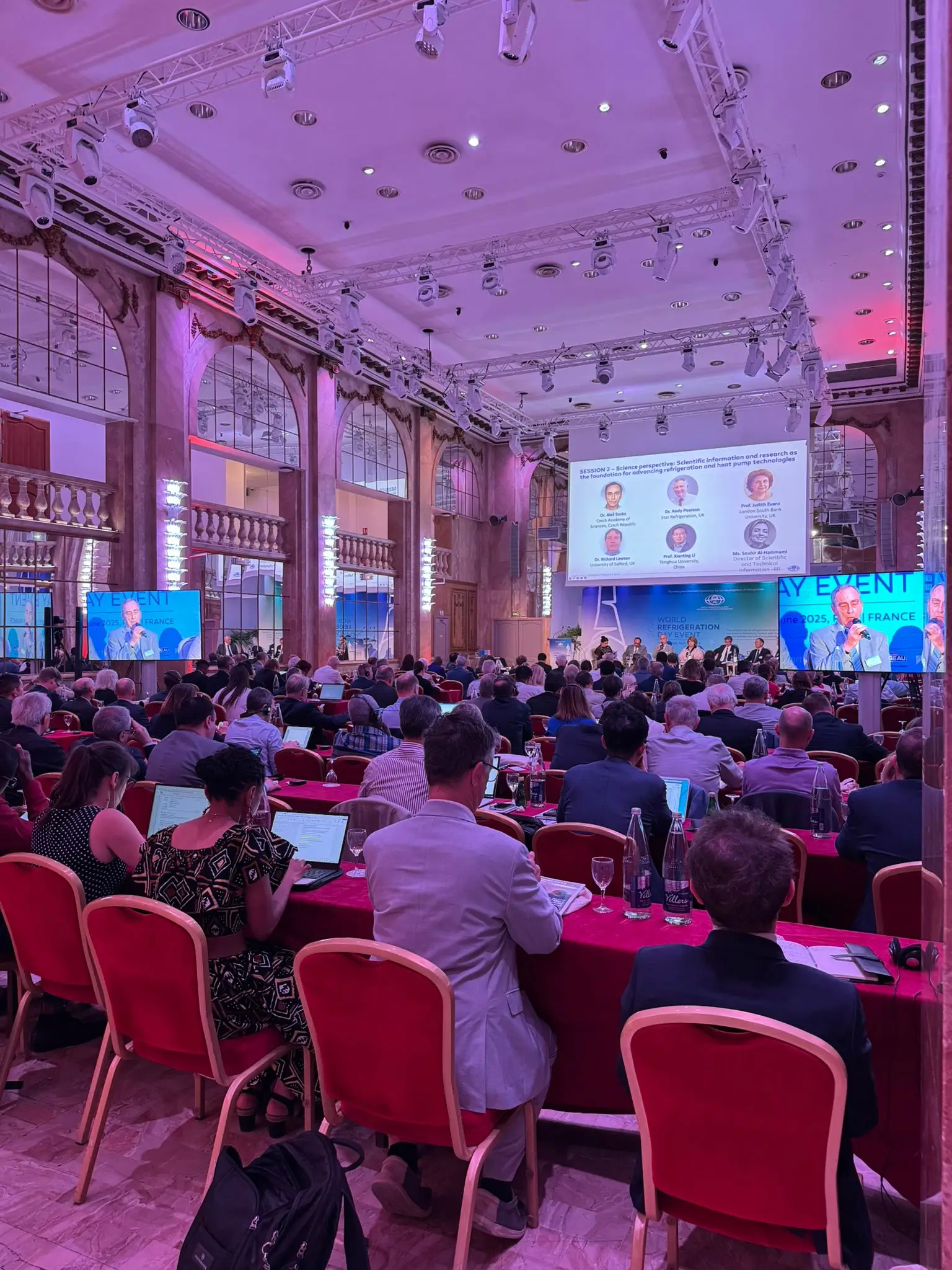

Audiovisual technical services bring together all the sound, lighting and video resources deployed by a specialist provider to design, install and operate the technical setup of an event. They cover the entire cycle, from initial consultation through to dismantling, including live operation in the control room on the day.
Whether you are organising a corporate seminar, a national convention, a product launch or a live show, the quality of your audiovisual technical services determines the experience your audience receives and the operational smoothness of your event. This article details exactly what those services include, the equipment involved, the key steps and what sets a full technical service apart from simple equipment rental.
What are audiovisual technical services?
Audiovisual technical services refer to the provision, installation and operation of technical equipment by a qualified provider, within the context of a professional or public event. They go far beyond supplying hardware: they incorporate design engineering, skilled crew, on-site coordination and real-time technical direction throughout the event.
Three domains form the foundation of any audiovisual technical service: sound (amplification, diffusion, reinforcement), lighting (scenic lighting, architectural highlighting, dynamic effects) and video (projection, display, capture, broadcast). Depending on the scale of the event, these core areas are complemented by live video capture, streaming, technical structures (stages, rigging grids, speaker towers) and electrical power management.
At VLS, an audiovisual technical provider since 1983, audiovisual technical services are conceived as an end-to-end service: from the first design meeting to site handback, every phase is managed by a dedicated team.
What audiovisual technical services include
A professional audiovisual technical service covers several complementary domains whose combination varies depending on the nature and size of the event. The table below presents the main components.
| Domain | Equipment examples | Role in the event |
|---|---|---|
| Sound | Line arrays, digital mixing consoles, wireless microphones, stage monitors, intercom | Deliver clear speech and music coverage across the venue, manage background audio and live sound mixing |
| Lighting | LED fixtures, moving heads, Fresnel spotlights, dimmers, DMX consoles, architectural lighting | Enhance the stage, create atmospheres, reinforce brand identity and guide audience attention |
| Video / projection | High-brightness projectors, projection screens, video processors, switchers | Display presentations, creative content, dynamic signage and camera returns |
| Large image / LED | Indoor and outdoor LED walls, modular screens, architectural video mapping | Create immersive visual experiences, amplify scenographic impact and adapt display to non-standard spaces |
| Video capture | Broadcast cameras, motorised rails, drone, multi-camera control room, graphic overlays | Record the event in high quality for later use: internal communications, replay, training materials |
| Streaming | Encoders, redundant connections, broadcast platforms, virtual control room | Broadcast the event live to remote, hybrid or international audiences |
| Technical structures | Modular stages, podiums, rigging grids, speaker towers, gantries | Support and position equipment safely while adapting to the architectural constraints of the venue |
| Power | Generators, distribution panels, HV/LV cabling | Supply the entire technical setup safely and autonomously, particularly outdoors or in venues without existing infrastructure |
The steps of an audiovisual technical service
Professional audiovisual technical services follow a structured, repeatable and adaptable process. Each of the steps below contributes to the success of the final setup.
1. Consultation and design
Everything begins with a briefing meeting with the event organiser. The provider analyses the event programme, communication objectives, format (plenary session, workshop, cocktail, live show), number of attendees and brand guidelines (visual identity, tone). From this information, a technical concept is proposed: stage layout, sound coverage plan, projection axes, screen positioning, lighting moods and camera angles. This phase produces a detailed technical quotation and, where required, renderings or 3D simulations.
2. Venue survey
The venue survey (or technical recce) is a non-negotiable step in audiovisual technical services. The project manager and technical directors visit the site to assess: room dimensions and ceiling heights, loading access and logistics constraints, available electrical supply, the natural acoustics of the space, audience flow requirements and applicable safety regulations. The survey allows the technical team to refine the equipment specification, anticipate necessary adaptations and produce the definitive technical rider.
3. Technical specification and rider
Based on the data gathered, the provider draws up the precise equipment list, technical layout plans and a rider document shared with the venue and all other stakeholders (set designer, event agency, artists). The technical rider specifies power requirements, rigging points, equipment storage areas and installation and dismantling schedules. Accurate specification prevents surprises on the day and ensures coherence between the creative intent and the deployed resources.
4. Installation and testing
The installation mobilises technical crews for several hours, or several days for large-scale events. Technicians cable the sound system, position fixtures and structures, run video networks and configure equipment. A thorough testing phase follows: acoustic measurements, equaliser adjustments, level checks, fixture alignment and video source failover tests. This phase also includes the artist soundcheck (for shows) and rehearsals with speakers (for conferences or conventions).
5. Live operation and technical direction on the day
On the day of the event, the sound, lighting and video operators manage the live operation from the control room. They execute the programme sequences, adapt to unforeseen changes (delays, last-minute adjustments, technical incidents) and maintain the quality of the setup throughout the event. The technical control room is the central hub: it is where audiovisual technical services come into their own, turning equipment into a coherent and controlled experience for the audience. To learn more about this role, read our article on event technical direction.
6. Dismantling and site handback
Once the event is over, the technical teams carry out a methodical dismantling of the setup: disconnection, packing, equipment loading and transport, and site restoration. The provider returns the venue in the condition agreed with the site manager. A technical debrief may be conducted to capture lessons from the event and inform preparation for future editions.
Audiovisual technical services vs simple equipment rental
The distinction between audiovisual technical services and equipment rental is fundamental to understanding the added value a specialist provider brings.
Equipment rental means supplying audiovisual hardware without technical support. The organiser or their team is responsible for installation, configuration and operation. This approach may suit very simple needs (a display screen for a small meeting, for example) or technically self-sufficient teams.
Audiovisual technical services, by contrast, include:
- Design engineering and advice tailored to your specific event
- Skilled crew for installation, configuration and live operation
- Technical accountability for the entire setup resting with the provider
- Real-time responsiveness and adaptability throughout the event
- Electrical and structural safety managed by certified professionals
For a professional, high-stakes event (executive seminar, product launch, gala, national convention), a turnkey audiovisual technical service is the appropriate choice. It delegates technical complexity to specialists and allows the organiser to focus on content and attendee experience.
If you want to compare budget approaches, our article on audiovisual provider costs provides useful reference points.
Which events benefit from audiovisual technical services?
Audiovisual technical services adapt to a wide variety of event formats, each with its own specific requirements.
Corporate seminars and conventions
These events typically require a central stage, a speech reinforcement system, presentation screens and room lighting. Audiovisual technical services ensure every speaker is audible and visible, regardless of the room configuration. Video capture allows a usable record to be produced for internal use.
Product launches
Launches demand a high level of scenographic production: video mapping, dramatic lighting, spatialised sound, large-format LED screens. Audiovisual technical services transform a standard venue into an immersive stage that reflects the brand.
Gala evenings and award ceremonies
Lighting atmosphere, music management and capture of key moments (trophy presentations, speeches) are central to these events. Professional audiovisual technical services ensure the right balance between aesthetics and operational reliability.
Live shows and public events
Concerts, dance shows, festivals: these formats require significant sound and lighting power, adapted structures and an experienced technical crew. Audiovisual technical services reach their full scope here with large-scale professional equipment.
Hybrid events and streaming
Events combining in-person and remote audiences require a dual control room setup: one for the live audience, one for the online audience. Audiovisual technical services then incorporate capture equipment, dedicated connections and streaming tools. Discover our full coverage of VLS event productions for concrete examples of hybrid deployments.
Preparing your audiovisual technical service with VLS
A few best practices will help ensure your audiovisual technical service runs smoothly.
Brief early. The earlier the provider is involved in the event design phase, the more cohesive the audiovisual technical service will be. Prepare a complete brief: a timed programme, venue plans, visual identity guidelines and any specific constraints.
Schedule the venue survey. Do not underestimate this step. A survey carried out several weeks before the event allows constraints to be resolved early and avoids costly last-minute adjustments.
Build buffer time into the schedule. Installation and testing take time. A successful audiovisual technical service relies on a schedule with safety margins, particularly for multi-space events or complex configurations.
Communicate changes promptly. Any change to the programme, venue or format must be communicated to the provider as soon as possible. The audiovisual technical service is sized against a brief: a significant deviation may require a revision of the entire setup.
Involve your provider in overall coordination. Audiovisual technical services are integrated within a broader coordination involving the venue, catering, set design and other suppliers. VLS manages this technical coordination daily from its base in Buc, Yvelines (Ile-de-France), for events across France and internationally.
Ready to plan your next event? Contact VLS for an initial technical consultation. You can also explore our event productions to see audiovisual technical services in action across a wide range of formats and venues.
Frequently asked questions about audiovisual technical services
What is the difference between an audiovisual technical provider and a technical director?
An audiovisual technical provider is the company that supplies equipment, crew and expertise for the complete sound, lighting and video setup. The technical director (or event technical director) is the person responsible for coordinating and overseeing the entire technical operation on the day. The role of technical director may be fulfilled by a senior member of the provider's team or by an independent specialist working alongside the provider.
How far in advance should I contact an audiovisual technical provider?
For a standard-scale event (up to a few hundred attendees), contacting the provider four to eight weeks in advance is recommended. For large-scale events, trade shows, national conventions or festivals, the lead time can extend to several months. The more complex the audiovisual technical service, the more lead time is needed to secure equipment and crew.
Do audiovisual technical services always include video capture?
No. Video capture is an optional add-on to the core audiovisual technical service. It must be specified at the outset because it requires dedicated resources: cameras, camera operators, a multi-camera control room, storage and post-production. Some providers include capture as a modular option, others subcontract it to a partner specialist.
What is a technical rider in the context of audiovisual services?
The technical rider is the reference document produced by the provider before the event. It describes the planned equipment, layout drawings, electrical power requirements, necessary rigging points, installation and dismantling schedules, and the technical crew contacts. It is shared with the venue and all stakeholders to coordinate site access and resources.
Can audiovisual technical services be delivered outdoors?
Yes. Outdoor audiovisual technical services are common (festivals, open-air events, inaugurations, outdoor evening events). They require weather-rated equipment (IP-rated protection for sensitive hardware), autonomous power management via generators, and specific structures (podiums, gantries, technical tents). The venue survey is even more critical outdoors to identify terrain constraints.
Is streaming always included in audiovisual technical services?
No. Streaming is an optional component that must be integrated from the design phase. It requires dedicated equipment (encoders, a dedicated and redundant internet connection, broadcast software) and specific expertise. Not all audiovisual technical providers offer this option: verify that your provider has the skills and equipment needed if your event includes a hybrid or live-stream component.
How long does installation typically take for audiovisual technical services?
Installation duration depends directly on the complexity and scale of the setup. For a conference room with a basic sound system and projection screen, a few hours may be sufficient. For a convention with a stage, LED wall, multi-camera capture and streaming, expect one to two full days of installation plus half a day of testing and rehearsals. Each audiovisual technical service receives a personalised schedule.
How is the cost of audiovisual technical services calculated?
The cost depends on several factors: event duration, the number and complexity of equipment items, transport and logistics costs, the number of technicians required and optional components such as capture or streaming. To receive an estimate tailored to your project, contact VLS with your brief. Our article on audiovisual provider costs also provides useful reference points.
Read also: Event technical direction: role and organisation | Audiovisual provider cost: budget guide | VLS event productions
